November 19, 2026
Caribbean Food Centennial: A Century of Joyful Eating and Tradition
By @codytffa916
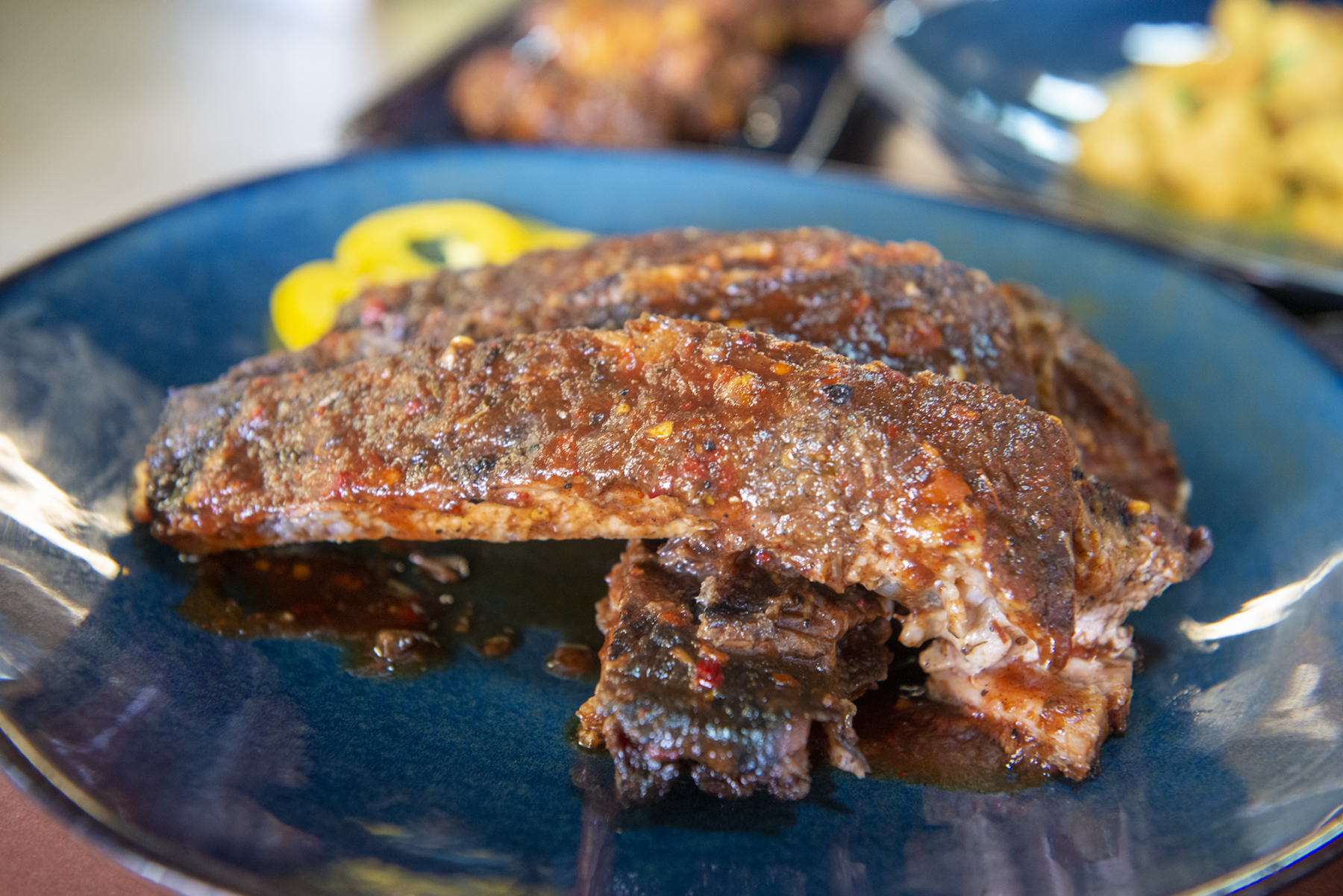
A centennial invites more than nostalgia. It asks us to look at what endured, what changed, and what still tastes unmistakably like home. When people speak about Caribbean cooking, they often flatten it into sunshine, spice, and beachside abundance. The reality is richer and far more disciplined. Caribbean food is built from memory, migration, improvisation, and labor. It is celebratory, yes, but it is also practical. It knows how to stretch a salt fish breakfast across a big family table, how to coax sweetness from green plantain, how to turn a pot of peas and rice into the emotional center of a Sunday.
The phrase caribbean food centennial carries a special weight because the region’s foodways are not static museum pieces. Over the past hundred years, they have moved through colonial hangovers, wartime shortages, migration to Britain, the United States, and Canada, the growth of tourism, the rise of food media, and the renewed pride of chefs and home cooks reclaiming local ingredients with confidence. At every stage, the cooking kept its pulse. Fire, seasoning, thrift, and generosity stayed in the frame.
Any honest look at a century of Caribbean eating begins with the kitchen itself. Not the stylized version used for postcards, but the real one. Zinc counters warmed by afternoon heat. Mortar and pestle stained with green seasoning. The smell of thyme, scallion, onion, and Scotch bonnet hitting hot oil. A cake cooling under a clean cloth while somebody lifts the lid on stewed chicken just long enough to check color, not tenderness, because tenderness is already understood. You learn quickly that Caribbean food is sensory, but it is also deeply methodical.
A region, not a single cuisine
One of the oldest mistakes in writing about Caribbean food is treating the entire region as though it shared a single table. It does not. Jamaica is not Trinidad. Barbados is not Haiti. Puerto Rico is not Dominica. Yet there are caribbean food centennial family resemblances that make the region legible. Rice appears in many forms. Plantains move from starch to snack to dessert. Seafood dominates coastal cooking, but inland stews and ground provisions remain essential. Preservation techniques, from salting and pickling to smoking, still shape taste even where refrigeration is common.
The last century sharpened those distinctions while also strengthening cross-island borrowing. Trinidadian doubles, Jamaican patties, Bajan cou-cou, Dominican sancocho, Haitian griot, Cuban ropa vieja, Puerto Rican mofongo, and Guyanese pepperpot each carry a local identity that people defend with impressive passion. Yet ingredients and techniques travel easily across water. A cook relocating from St. Lucia to Brooklyn might adapt a recipe with what is available, but the logic of the dish remains recognizable. Browning, marinating, simmering, frying, resting, and serving with something starchy enough to carry sauce, those habits travel well.
That is part of why the caribbean food centennial story is so compelling. The region’s cuisines have survived not because they were protected from change, but because they absorbed change without losing their own grammar.
The century begins in the market, not the dining room
A hundred-year view of Caribbean food starts in fields, fishing boats, roadside stalls, and public markets. For much of the twentieth century, the average Caribbean meal depended on what could be grown nearby, caught that morning, or preserved for later use. Imported flour, salted cod, and tinned goods had their place, but local produce still defined everyday eating. Yams, cassava, sweet potatoes, breadfruit, dasheen, pigeon peas, coconut, mango, guava, callaloo, okra, and pumpkin were not novelty ingredients. They were the pantry.
Older cooks across the region often describe food through seasonality rather than recipe titles. Mango season meant chutneys, juices, and sticky wrists from eating over the sink. Sorrel season announced itself around the holidays. Breadfruit season changed dinner plans for weeks. Those rhythms matter because they reveal how Caribbean food built joy from repetition without becoming monotonous. The same ingredient could be roasted, boiled, curried, mashed, fried, or turned into dessert depending on mood and means.
There is also a harder truth here. The Caribbean table was shaped by unequal land ownership, plantation economies, and the long afterlife of colonial trade. Many cherished dishes grew from constraint. Saltfish became a staple because it was durable and widely distributed, not because anyone set out to create a national icon. One-pot meals became beloved because they fed many mouths efficiently. Organ meats, trimmings, and less expensive fish cuts entered family repertoires because they had to. Over time, skill transformed necessity into pride. That transformation is one of the great culinary achievements of the region.
The flavor architecture that holds it all together
If you spend time around serious Caribbean cooks, you notice that recipes are often less rigid than outsiders expect. What remains nonnegotiable is structure. Flavor is layered in a deliberate order. Aromatics are crushed, chopped, or blended with purpose. Browning brings depth. Herbs freshen heavy starches. Acid cuts richness. Heat is controlled with judgment, especially when caribbean food centennial Scotch bonnet or other hot peppers are involved. The goal is not simply intensity. It is balance.
Green seasoning deserves special mention because it acts almost like a signature in several Caribbean kitchens. The exact blend varies, but it often includes scallion, thyme, garlic, onion, celery, parsley or culantro, and pepper. Some versions lean wetter, some sharper, some more herbaceous. Its role across the past century has been enormous. It is not just marinade. It is continuity in a bottle or bowl, a house style passed between generations.
Texture matters as much as spice. Think of the contrast between crisp fried plantain and soft stewed beans, or flaky pastry around a curried filling, or the creamy density of callaloo beside rice. Great Caribbean cooking rarely offers a flat eating experience. Even a humble breakfast of fried dumplings and saltfish has crunch, chew, oil, salt, and freshness working at once.
A few enduring principles explain why these dishes have remained beloved for generations:
- Seasoning is built in layers rather than added at the end.
- Starch is treated as a partner, not a side note.
- Preservation methods contribute flavor, not just shelf life.
- Communal cooking shapes portion size, pacing, and generosity.
- Celebration dishes often begin with ordinary ingredients handled with care.
Those principles help explain why a pot of rice and peas can feel festive, or why a simple fish broth can carry enormous emotional weight. Technique turns familiarity into pleasure.
Migration changed the menu, but not the appetite
No account of the past hundred years can ignore migration. Caribbean people carried their food into new climates, new labor markets, and new apartment kitchens with weak ventilation and no backyard coal pot. Those moves changed ingredients, equipment, and social habits. They did not erase taste memory.
In London, Toronto, Miami, and New York, Caribbean communities rebuilt their food systems through shops, bakeries, market stalls, and informal networks. If fresh breadfruit was hard to find, someone knew where frozen would appear on Thursday. If a particular herb was missing, cooks improvised, then argued about the result. That argument itself became part of culinary life. Diaspora food is often judged unfairly, either romanticized as more authentic than island cooking or dismissed as a diluted version. In practice, it is neither. It is adaptive cooking under real constraints.
One of the most striking developments over the last century is how diaspora communities turned once local dishes into international staples. Jamaican patties became commuter food. Trinidadian roti shops gained loyal customers far beyond the Caribbean. Rum cake, black cake, jerk chicken, and curry goat became holiday anchors for families who lived thousands of miles from where those foods first entered their lives. Food kept people connected when weather, language, and work rhythms changed everything else.
Migration also intensified exchange among islands that had once been more separate in daily life. A Grenadian family living next door to a Guyanese family in Brooklyn might trade recipes and preferences in ways less likely back home. Over decades, these shared urban spaces widened the Caribbean palate itself.
Celebration food tells the deepest story
Every cuisine has special-occasion dishes, but Caribbean celebration food carries unusual symbolic force. Weddings, Christmas, Carnival, Easter, christenings, funerals, village fêtes, and Sunday gatherings all have distinct culinary expectations. The food must satisfy hunger, signal care, and reflect status without tipping into wastefulness. That balance has shaped the way dishes evolved over the last hundred years.
Take holiday cooking. Across the region, Christmas is one of the strongest examples of abundance meeting discipline. Black cake might soak in alcohol for weeks or months. Sorrel is brewed, spiced, sweetened, and sometimes sharpened with citrus or rum. Hams are glazed, chickens browned, pork seasoned heavily, and tables expanded to fit cousins, neighbors, and anyone who arrived around midday. Yet even at the height of celebration, experienced cooks think ahead. Leftovers become breakfast, lunch, and packed containers for departing guests. Nothing with value is handled casually.
Carnival food follows a different logic. It needs stamina. It must feed movement, crowds, and late nights. Fried foods perform well because they travel and satisfy quickly. Soups, broths, and hearty breakfasts repair the body after long celebration. Street vendors become central players here, and over the century their role has only grown. Many of the region’s most beloved foods are inseparable from roadside culture, from jerk pans smoking into the evening to doubles vendors serving with astonishing speed and precision.
Tourism brought visibility, and sometimes distortion
Over the last hundred years, tourism put Caribbean food in front of larger audiences, but not always on fair terms. Resorts often marketed a simplified version of the region: grilled seafood, tropical fruit, rum punch, and a token spicy dish. That helped visibility, yet it also hid the depth of everyday cooking. Visitors might leave believing Caribbean cuisine was light, fruity, and interchangeable when in fact many islands have robust traditions of slow stews, root crops, rich baked goods, pickled vegetables, and layered savory breakfasts.
At the same time, tourism created opportunity. It gave local cooks, caterers, bakers, fishers, and farmers direct access to diners willing to pay for quality. In places where all-inclusive models did not dominate too aggressively, independent restaurants helped local dishes gain prestige. Over time, a new generation of chefs began presenting Caribbean food with greater nuance. They did not need to make it European to make it elegant. They let cassava, breadfruit, tamarind, callaloo, goat, flying fish, conch, and pumpkin appear on serious menus with confidence.
The trade-off is still real. When a cuisine becomes part of a destination brand, pressure builds to make it more familiar, less challenging, and easier to photograph. Some dishes lose their edge. Heat gets softened. Portions are reshaped for tourist expectations. Ingredients with strong local meaning get turned into decorative accents. Yet the best chefs resist that slide. They understand that hospitality does not require dilution.
The home kitchen remains the standard
Restaurant recognition matters, but home cooking still sets the benchmark across the Caribbean. Ask almost anyone from the region where the best food comes from, and the answer often points back to a mother, grandmother, aunt, father, or an older neighbor with impossible standards. This is not simple sentimentality. It reflects a truth about the cuisine. Many dishes were designed for domestic scale and patient timing. They deepen as they sit. They improve when made for six or ten, not two. They rely on touch, smell, and visual cues that rarely fit neatly into restaurant prep sheets.
Home kitchens also preserve regional differences that commercial cooking sometimes smooths over. The same dish name can mean noticeably different things from one island to another, even from one parish or district to the next. How much coconut goes into a rice dish, whether sugar is added to a stew, how fine the aromatics are chopped, whether a dumpling should float or sink slightly, these details matter to the people who eat them. Over a century, families have guarded such details with remarkable tenacity.
One reason the caribbean food centennial theme resonates so strongly is that Caribbean food has stayed emotionally domestic even while becoming globally visible. It can enter cookbooks, television, and high-end dining rooms, but it still belongs, most powerfully, to households.
What the next hundred years must protect
A centennial is not just a celebration. It is a checkpoint. Caribbean cuisine is vibrant, but it also faces pressures that deserve serious attention. Climate volatility affects fisheries, fruit yields, and root crop production. Imported processed foods often undercut local produce on price and convenience. Younger cooks may know the names of dishes without knowing the slower methods that give them depth. At the same time, there is real momentum in favor of preservation and renewal.
Some of the most hopeful work is happening through practical, grounded efforts:
- Teaching traditional techniques in schools, homes, and community kitchens.
- Supporting farmers who grow local staples rather than only export crops.
- Recording elder cooks while they can still demonstrate by hand and eye.
- Valuing street food and market culture as serious culinary heritage.
- Encouraging chefs to use local ingredients without stripping them of context.
These actions matter because recipes alone do not preserve a cuisine. A written ingredient list cannot fully capture how browned sugar should smell before liquid goes in, or how long callaloo should cook before it loses its brightness, or the point at which dough is soft enough for frying but not heavy with oil. Food knowledge lives in repetition, correction, and shared meals.
There is also a need for honesty about health without disrespecting tradition. Caribbean food is sometimes criticized from the outside as too starchy, too salty, or too rich. Some of that criticism is fair in modern contexts where physical labor has declined and processed seasoning products have increased sodium levels. But blanket judgment misses the deeper picture. Traditional Caribbean eating patterns often included substantial fresh produce, legumes, fish, and home-prepared meals. The problem is not the cuisine itself. It is what happens when local patterns are displaced by cheap imported products and rushed eating habits.
Why joyful eating still defines the Caribbean table
For all the history, hardship, and adaptation embedded in these cuisines, joy remains the clearest through line. Joy is not frivolous here. It is expressed through abundance where abundance is possible, through color, through heat, through smell that reaches the street before guests step through the gate. It is there in the extra spoon of gravy, the insistence that you take more, the debate over whose pepper sauce is stronger, the care taken with a drink as much as with a main course.
That joy has lasted a century because it is collective. Caribbean food is rarely at its best when treated as solitary fuel. It thrives in company. A breadfruit roasted over open flame tastes different when everyone waits for it together. A fish fry feels complete because of the noise around it. A Sunday lunch has gravity because time slows to make room for it. Even a quick patty eaten standing up carries the energy of a wider food culture that values flavor, memory, and social life in equal measure.
The centennial lens makes one thing plain. Caribbean cuisine did not endure by accident. It survived because generations of cooks paid close attention. They preserved what was worth preserving, substituted when they had to, argued over standards, fed people through lean years and festive ones, and refused to let good food become a luxury reserved for special places or special people. That is a legacy worth honoring.
So when we mark a Caribbean food centennial, we are celebrating far more than famous dishes. We are honoring a hundred years of instinct, adaptation, discipline, and pleasure. We are recognizing the cooks who made feast food from modest ingredients, who fed migrating families across oceans, who taught by example rather than measurement, and who understood that a well-seasoned meal could hold history together. A century on, the table is still full, still changing, and still unmistakably Caribbean.
Reggae Pot Jamaican Grill
Address: 7562 S University Blvd Unit C, Centennial, CO 80122
Phone: (303) 997-5623
FAQ About caribbean food centennial
What Jamaican dishes can I try in Centennial?
Reggae Pot Jamaican Grill serves Jamaican specialties such as jerk chicken, stewed oxtail, curry goat, and ackee and saltfish. Check the current menu for availability.
What is ackee and saltfish?
It is Jamaica’s national dish. The restaurant prepares ackee with salted cod, onions, thyme, tomatoes, garlic, black pepper, and pimento.
Can I order Jamaican food for pickup in Centennial?
Yes. Choose the Centennial location at 7562 S University Blvd Unit C when placing a takeout order.
❧