November 19, 2026
Caribbean Food Centennial: 100 Years of Festive Island Flavor
By @codytffa916
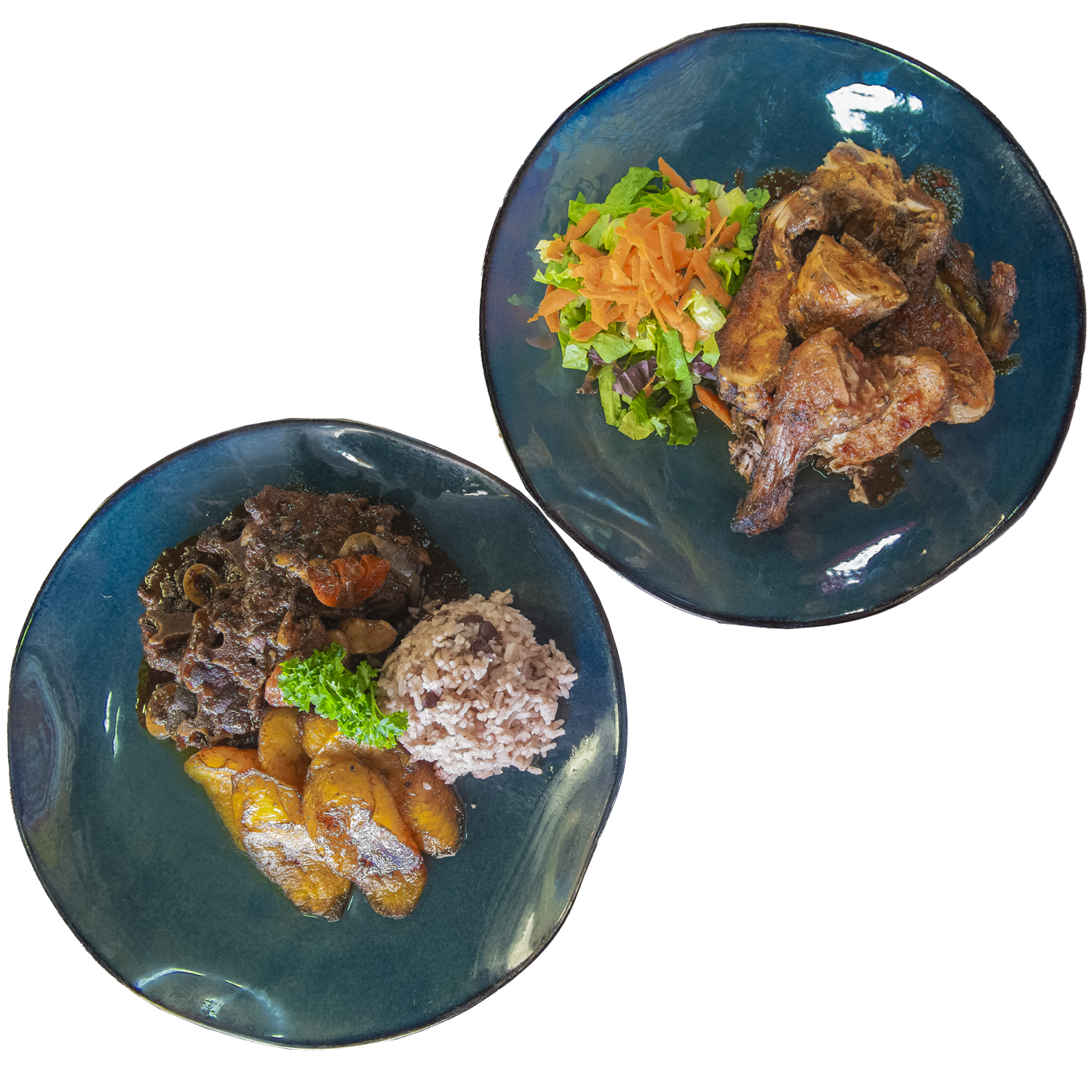
A centennial is never just a date on a calendar. In food, it becomes something more intimate: a taste memory passed from grandparent to child, a technique repeated so often it turns into instinct, a holiday dish that arrives at the table carrying a full century of migration, adaptation, scarcity, celebration, and pride. That is the real spirit behind a caribbean food centennial. It is not a single cuisine, because the Caribbean has never been a single story. It is a region where Indigenous knowledge, African foodways, European colonial influence, Indian indentureship, Chinese migration, Levantine trade, and local ingenuity all meet in the pot.
Anyone who has spent time in Caribbean kitchens during festive seasons knows the atmosphere before the first plate is served. The room is hot long before the oven finishes its work. Someone is rinsing rice, someone else is grating coconut, and another person is checking whether the sorrel has steeped long enough. Arguments break out over whether the plantain should be sweeter, whether the pepper sauce is fiery enough, whether the black cake has enough rum, whether the peas should be softer. These are not minor details. In many island households, these judgments are family law.
Looking across the last hundred years of Caribbean festive cooking reveals not one clean progression but a conversation between old methods and new realities. Refrigeration changed storage. Migration changed ingredient access. Tourism changed presentation. Urbanization shortened cooking time. Yet many of the flavors that define holiday and ceremonial tables remain remarkably stable. Scotch bonnet still matters. Allspice still matters. Fresh thyme, scallion, ginger, coconut milk, cassava, saltfish, smoked meats, rice and peas, slow braises, fritters, stews, and richly spiced baked goods still anchor the region's most meaningful meals.
A century told through the festive table
Festive food in the Caribbean has always done two jobs at once. It feeds people generously, and it tells them who they are. That is especially true during Christmas, Carnival, Easter gatherings, Independence celebrations, village fêtes, christenings, and weddings. The dishes chosen for those moments are rarely accidental. They tend to be labor-heavy, deeply seasoned, and meant for sharing.
A hundred years ago, many celebratory dishes depended on what could be preserved, grown locally, or bartered. Salted cod traveled well and became foundational in many islands. Root crops like yam, cassava, dasheen, and sweet potato offered substance and resilience. Pigeon peas, red beans, and rice created satisfying centerpieces that could stretch to feed a crowd. Coconut was dessert, drink, milk, oil, and seasoning base all at once. Pork and goat often marked abundance. Rum found its way into punch, cake, sauces, and marinades.
What has changed over the century is not the emotional role of these foods but the conditions around them. Imported wheat flour became more common in some islands, reshaping baking traditions. Tinned products entered home kitchens and made certain recipes easier to reproduce year-round. Diaspora communities in London, Toronto, Miami, and New York preserved island menus with ingredients that were close, if not always identical. A Trini family abroad might substitute one hot pepper for another. A Jamaican cook might use oven heat where once there was coal pot smoke. The food adjusted without losing its center.
That adaptability is one reason the idea of a caribbean food centennial feels so compelling. Caribbean cuisine has survived precisely because it can bend. It holds onto flavor logic even when ingredient lists shift.
The islands are distinct, and that matters
One mistake outsiders make is flattening Caribbean food into a few familiar stereotypes: jerk chicken, rum punch, maybe a plate of rice and beans. Those dishes are real, but they barely scratch the surface. The region includes English, Spanish, French, and Dutch colonial legacies, along with cultural traditions that long predate them. Even neighboring islands can have very different festive signatures.
Jamaica leans into bold spice, smoke, escovitch sharpness, pepper heat, and Christmas traditions such as sorrel and black cake. Trinidad and Tobago carries a strong Indo-Caribbean influence, especially visible in roti, doubles, saheena, and richly spiced curried meats that often appear at large gatherings. Barbados balances British influence with deeply local expressions like jug jug during the Christmas season, along with pudding and souse. Puerto Rico brings lechón, pasteles, arroz con gandules, and coquito to holiday tables with immense pride. In Haiti, griot, diri kole, soup joumou, and epis-based seasoning are woven into both everyday and ceremonial life. Cuba, the Dominican Republic, Grenada, Saint Lucia, Antigua and Barbuda, Guyana, and the Bahamas all add their own festive grammar.
What links them is not sameness but a shared regional instinct for layered seasoning, long marination, communal serving, and culinary memory. Caribbean food often rewards patience. Meats taste better when rubbed overnight. Cakes improve after soaking. Stews deepen as they rest. Chutneys and pepper sauces come alive after the flavors settle together.
Holiday dishes that carry history
Some dishes do more than satisfy hunger. They embody a timeline.
Black cake, common in several Anglophone Caribbean households during Christmas, is a perfect example. Its roots connect to British plum pudding, but over generations it became unmistakably Caribbean caribbean food centennial through the use of browning, burnt sugar, tropical fruits, local spice, and heavy pours of rum or wine. Every family has a version. Some soak fruits for months. Others keep a jar going from one season to the next, feeding it periodically. A good black cake should be moist, dense, fragrant, and assertive. It should taste festive before it even reaches the tongue.
Sorrel, usually made from hibiscus calyces steeped with ginger, clove, citrus peel, and sweetener, tells another story. It is bright, tart, spiced, and social. Served cold around Christmas in many islands, it can be made sober or fortified. In practical kitchen terms, it is also a lesson in balance. Too much sugar and it turns flat. Too little ginger and it loses edge. Left overnight, it usually tastes better.
Then there are the savory centerpieces. A Christmas ham glazed with pineapple or sorrel reduction. Roast pork crackling under a sticky finish. Curried goat cooked until the sauce clings and the meat gives way without a fight. Pelau or cook-up rice made in quantities that suggest no one should leave hungry. These are not delicate dishes. They are built for noise, family traffic, second helpings, and late-night plates.
In households I have caribbean food centennial cooked with, the best festive food often comes from recipes that do not live on paper. Someone says, "You add enough green seasoning until it smell right," and everyone in the room understands. That kind of instruction frustrates beginners, but it reflects a highly trained sensory culture. Caribbean cooks often work by touch, aroma, color, and sound. Onions are cooked not for exactly seven minutes, but until the rawness leaves and the sweetness rises. Oil is ready when the aromatics bloom. Syrup is done when it coats the spoon the way an older aunt expects it to.
The indispensable seasoning base
If there is one professional insight worth emphasizing, it is that festive Caribbean food rarely relies on a single hero ingredient. Its power comes from layering. Green seasoning, epis, sofrito-style blends, curry toasting, burnt sugar, thyme stems, pimento berries, citrus, fresh herbs, scallion, and pepper all contribute structure. That is why a dish can taste "flat" even when the salt is correct. The missing element is often aroma, acidity, spice depth, or herbal freshness.
A strong seasoning base usually performs several functions at once. It perfumes the dish, tenderizes proteins, gives the sauce body, and creates continuity across the meal. In a holiday kitchen, that matters because multiple dishes are often being prepared at once. The same green seasoning might go into roast meats, stewed chicken, rice dishes, and stuffing, creating a family resemblance across the table.
One of the most common mistakes I see in contemporary attempts to recreate festive island cooking is under-seasoning out of caution. People unfamiliar with Caribbean food sometimes fear the heat or the intensity. But heat and flavor are not the same thing. You can moderate pepper while still seasoning boldly. A timid hand with thyme, scallion, garlic, onion, and allspice produces food that tastes generic, not Caribbean.
Sweetness, smoke, acid, and heat
Caribbean festive cooking understands contrast exceptionally well. Sweetness appears beside brine. Smoke meets fruit. Rich meats are sharpened with vinegar, lime, or pickled vegetables. Fried elements sit next to pepper sauces that cut through oil. That balance is one reason celebratory meals stay interesting over several courses.
Escovitch offers a clear example of this principle. The fish may be fried crisp and rich, but the pickled topping brings acidity, spice, onion bite, and often carrot or bell pepper sweetness. The result is not heavy, even when substantial. The same logic appears in pork dishes served with relishes, tamarind sauces, green mango condiments, or fresh slaws.
Desserts follow a similar pattern. Coconut drops, guava pastries, cassava pone, sweet potato pudding, and rum cakes all rely on sweetness, but the best versions avoid monotony. Nutmeg, cinnamon, ginger, lime zest, bitters, burnt sugar, and toasted edges create shape. Professional bakers understand that the line between comforting and cloying is thin. Traditional recipes often solve that problem elegantly because they evolved in real kitchens where people expected to eat more than one thing at a sitting.
What migration changed, and what it preserved
Over the last hundred years, Caribbean communities have carried festive food traditions across oceans. This has had two major effects. First, it preserved dishes that might otherwise have weakened under economic or social pressure at home. Second, it transformed those dishes by placing them in new ingredient markets and new schedules.
A family in Brooklyn may make a Christmas menu that includes sorrel, ham, rice and peas, black cake, and macaroni pie, all purchased from shops supplied by diaspora import chains. The sorrel may come dried in packets. The thyme might be from a supermarket bunch rather than a backyard plot. The oven may be electric rather than gas, and the party may happen in an apartment too small for twenty guests, even though thirty still arrive. Yet the menu survives.
Diaspora adaptation has also made some foods more visible to the wider public. Patties, rotis, jerk, and doubles achieved broader recognition partly because migrants built businesses around them. But festive dishes remain a deeper marker of identity than street foods alone. Anyone can buy a patty. Not everyone knows which family member is trusted to make the Christmas cake, or who always over-seasons the pelau, or why one aunt refuses to let anyone else touch the pasteles.
This distinction matters when talking about a caribbean food centennial. A century of island flavor is not just about signature dishes entering restaurants. It is also about private rituals surviving in homes, church halls, community centers, and backyard gatherings.
The pressure of tourism and the value of authenticity
Tourism has helped popularize Caribbean cuisine, but it has also created distortions. Resort menus often flatten regional nuance in favor of familiarity. A dish gets sweetened, softened, or simplified for broad appeal. Spice heat drops. Slow preparation steps disappear. Portions become more decorative, less generous. What arrives can be enjoyable, but it does not always represent the food people actually serve when they want to impress relatives.
That is why community festivals, local cook-offs, and family-run restaurants remain so important. They protect the less marketable details. They keep alive the taste of proper pepper sauce, the patience needed for a dark stew, the correct texture of fungi or cou-cou, the confidence to serve offal dishes, saltfish bakes, callaloo variations, and seasonal preparations without apology.
Authenticity, though, should not become a rigid weapon. Caribbean food has always absorbed influence. Canned milk, imported flour, Dutch pots, pressure cookers, blenders, and commercial spice blends all changed the workflow. The question is not whether a dish is frozen in time. The better question is whether it still tastes rooted. Does it respect the seasoning logic, texture, and cultural purpose that gave it meaning in the first place?
Building a festive Caribbean menu with integrity
For cooks planning a celebratory meal inspired by the region, restraint is often wiser than excess. It is tempting to crowd the table with every famous item, but a stronger menu usually comes from choosing a coherent mix of dishes that complement rather than compete. A good Caribbean festive spread needs variation in texture, temperature, spice level, and cooking method.
If I were advising a home cook who wants the meal to feel genuinely rooted rather than performative, I would stress a few practical choices:
- Pick one major protein that gets the longest attention, such as roast pork, curried goat, or baked fish.
- Pair it with one starch anchor, perhaps rice and peas, pelau, or ground provisions.
- Add one bright counterpoint, such as escovitch vegetables, chow, or a fresh slaw.
- Finish with a dessert or drink that carries spice and tradition, like black cake, sorrel, or coconut tart.
That kind of menu is manageable and honors the way many island meals are actually built. It also gives each dish room to speak.
Why technique still outranks trend
Every few years, a new food trend tries to reinvent heritage cuisine with modern language. Sometimes the results are thoughtful. Sometimes they are cosmetic. Caribbean festive cooking does not need rescuing by trend. It needs understanding.
The old techniques still work because they solve real culinary problems. Marinating overnight improves penetration and tenderness. Browning sugar deepens color and bitterness in a way bottled sauces often cannot. Frying aromatics before adding liquid develops complexity. Resting cakes after soaking improves texture. Allowing stews to cool and reheat often makes them taste better the next day. These are not nostalgic gestures. They are sound cooking methods.
Professional kitchens that handle Caribbean food well usually respect this reality. They may tighten plating or refine timing, but they do not strip the food of its soul in pursuit of elegance. A beautifully executed plate of jerk pork can still carry smoke, char, fire, and roughness. A polished dessert can still taste unmistakably of nutmeg, coconut, and rum rather than generic sweetness.
The next hundred years of festive island flavor
The future of Caribbean celebratory food will likely be shaped by climate pressure, migration, ingredient costs, and growing global attention. Some traditional staples may become harder to source or more expensive. Coastal changes may affect seafood patterns. Younger cooks may not have the time to learn labor-intensive preparations in the old way. Those are real concerns.
But there are reasons for confidence. Across the region and throughout the diaspora, younger chefs, bakers, home cooks, and food historians are documenting family recipes, reviving overlooked ingredients, and taking regional distinctions seriously. They are not simply reproducing the past. They are interpreting it with care.
That matters because the true strength of Caribbean cuisine has always been its intelligence under pressure. It knows how to season abundance and scarcity alike. It knows how to turn preserved ingredients into celebration. It knows how to make a table feel rich through technique, not excess alone. It knows that festive food is not only about luxury. It is about welcome.
A caribbean food centennial, then, is worth marking not as a museum exhibit but as a living practice. It is the smell of thyme hitting hot oil. It is the dark shine of a cake brushed again with rum. It is a pot large enough for neighbors, cousins, and whoever else comes by. It is food that remembers where it came from while refusing to stand still.
After one hundred years of festive island flavor, that may be the most Caribbean trait of all.
Reggae Pot Jamaican Grill
Address: 7562 S University Blvd Unit C, Centennial, CO 80122
Phone: (303) 997-5623
FAQ About caribbean food centennial
What Jamaican dishes can I try in Centennial?
Reggae Pot Jamaican Grill serves Jamaican specialties such as jerk chicken, stewed oxtail, curry goat, and ackee and saltfish. Check the current menu for availability.
What is ackee and saltfish?
It is Jamaica’s national dish. The restaurant prepares ackee with salted cod, onions, thyme, tomatoes, garlic, black pepper, and pimento.
Can I order Jamaican food for pickup in Centennial?
Yes. Choose the Centennial location at 7562 S University Blvd Unit C when placing a takeout order.
❧